Circularity — The Key to More Sustainable Packaging
Waste is a human creation, often a by-product of our focus on short-term benefits in the shape of the Take/Make/Consume/Dispose ‘linear’ economy. Left to itself, Earth happily runs on completely renewable energy. There’s no waste in a rainforest, for example. It’s a naturally circular ecosystem — resources are constantly recycled and reused, outputs from one process are the inputs for another.
As we confront the very real, very frightening consequences of climate change, we are seeking to replicate the rainforest’s virtuous circle in the shape of the circular economy, defined by the Ellen Macarthur Foundation as “a system where materials never become waste and nature is regenerated. In a circular economy, products and materials are kept in circulation through processes like maintenance, reuse, refurbishment, remanufacture, recycling, and composting. The circular economy tackles climate change and other global challenges, like biodiversity loss, waste, and pollution, by decoupling economic activity from the consumption of finite resources.”
The concept of circular packaging perfectly mirrors that of the circular economy and — because we interact with packaging every day — vividly demonstrates to us what circularity looks like, and what its benefits are. Instead of the ‘linear’ model — ‘Make/Consume/Dispose’ — it minimizes waste through packaging that’s designed to be reused, recycled, or composted, reducing — even eliminating — consumption of single-use, virgin materials.
A complicated subject
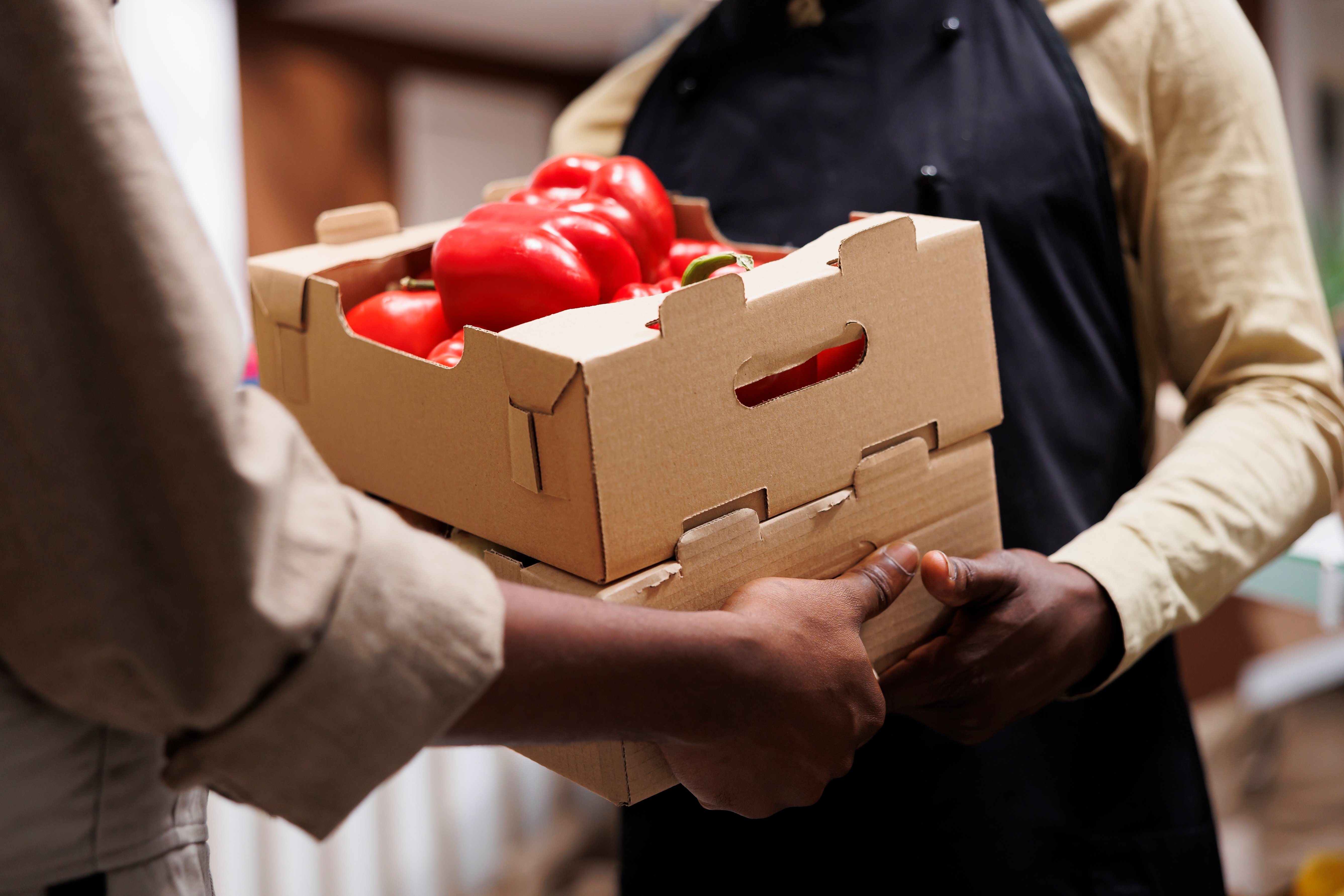
In this article we describe the multiple components of a circular packaging model, the multiple stakeholders involved in the journey towards circularity, and the challenges this presents to implementing the systemic change that circularity entails. Finally, we explain how new bio-based materials hold out the promise of such change, and touch on the role that chemistry plays in realizing that potential.
The key components
Let’s start by looking at some of the key components of circular packaging and some of those stakeholders. Key components include:
- More sustainable materials: Recycled content (post-consumer or post-industrial); renewable materials from sustainable sources (bioplastics from plant-based sources, for example); biodegradable materials.
- Packaging designed for recycling/reuse: Modular designs for simple disassembly, with all unnecessary layers removed, or of mono-material construction.
- Efficient collection infrastructure: Curb-side recycling and deposit return schemes (DRS) to encourage consumers to return packaging; optimized transportation to reduce environmental impact.
- Efficient recycling solutions: Mechanical and chemical, plus ‘upcycling’ to transform waste into higher-value products.
- Consumer engagement: Labelling that’s clear; education programs.
- Collaboration: Stakeholders working together across the supply chain; standardization of materials; compliance with extended producer responsibility (EPR) policies.
The stakeholders

Delivering these components requires a sizeable roster of stakeholders, including:
- Raw materials suppliers — To provide more sustainable materials and innovate new materials.
- Manufacturers and designers — To develop packaging that’s recyclable, compostable or reusable, and optimize designs to reduce material use while maintaining functionality.
- Brand owners — To adopt circular packaging solutions, invest in more sustainable packaging and partnerships.
- Consumers — To actively participate in recycling programs, demand sustainable packaging, and feedback on how effectively it meets their requirements (or not) via, for example, social media.
- Retailers — To adopt supply chain practices that promote circular packaging, implement take-back programs.
- Waste management and recycling companies — To develop the infrastructure for sorting/reprocessing materials.
- Governments and regulators — To set the policies and enact the legislation that encourages, even mandates, more sustainable packaging and circular practices.
Challenges to circularity
With such a variety of components and stakeholders, it’s no surprise that closing the circle of sustainable packaging poses some challenges. Here are four of the more significant hurdles to circularity:
- Financial: Transitioning to circular packaging means investing money throughout the value chain — from developing new materials that are recyclable and durable, through modifying the supply chain, to establishing the ‘reverse logistics needed to encourage reuse — collection, cleaning, and so on.
- Inconsistent recycling infrastructure: Recycling and collection systems vary across different countries, regions and continents.
- Regulatory barriers: Rules on materials, recyclability and EPR vary country to country, region to region. Even where they exist, enforcement can be patchy.
- Behavioral: Many consumers prefer single-use packaging because it’s convenient, or they have hygiene concerns. All too often, as well, they don’t fully understand if it is recyclable — a particular challenge with multi-layer packaging.
Change is afoot
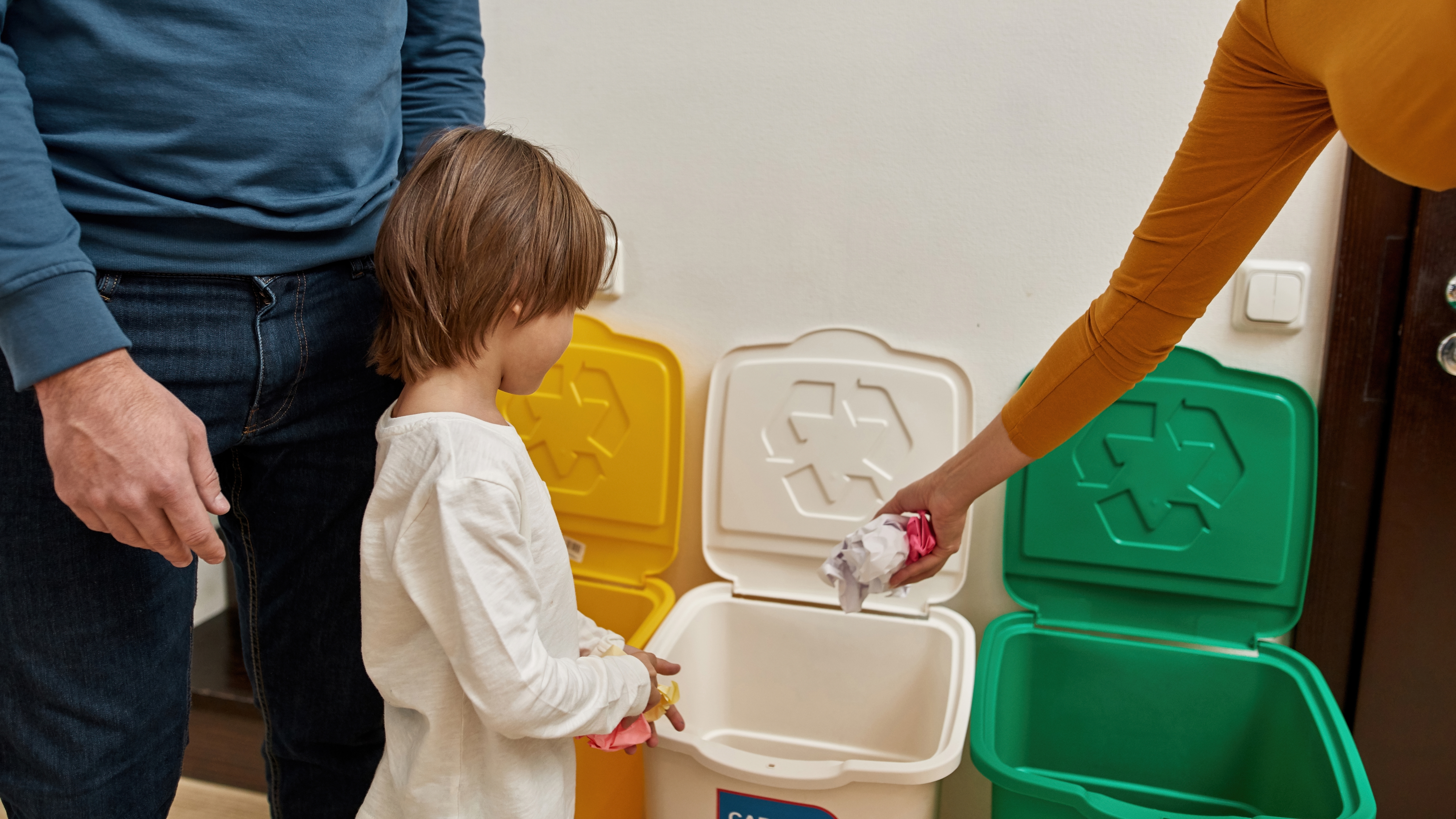
The list above is daunting, but there’s good news. Things are changing — they have to, because the packaging industry has to face the stark reality that consumers will no longer stand for packaging production models that they regard as wasteful.
A lot of things are happening in the area of regulation. Because consumers vote, governments around the world are tightening regulation to make packaging more sustainable. In the US, there is the customary mix of initiatives at the federal and state levels. The federal Break Free From Plastic Pollution Act (BFFPPA) aims to improve recycling and hold manufacturers responsible for waste management. Meanwhile, California’s Senate Bill 54 (SB54) includes the mandate that by 2032 all packaging in the state must be recyclable or compostable, and also transfers responsibility for waste management to producers, who must implement sustainable packaging solutions. Similar regulations are coming into force in New York, Colorado and Oregon.
The European Union’s Packaging and Packaging Waste Regulation (PPWR) specifically sets out to encourage a circular economy and has appropriately ambitious targets. All packaging must be designed to be recyclable by 2030, for plastic packaging there are minimum recycled content targets for 2030 and 2040, and by 2040 there will be a 15% reduction in packaging waste per capita compared to 2018 levels. A key feature of the PPWR is that it’s enforceable in all EU member states, so packaging legislation will be harmonized across 27 countries.
Legislation also governs other measures that advance the cause of circularity — clearer product labelling, for example, with standardized recycling symbols and disposal instructions to educate consumers on proper disposal with incentive programs such as discounts to encourage the return of reusable packaging.
Bio-based materials make their move
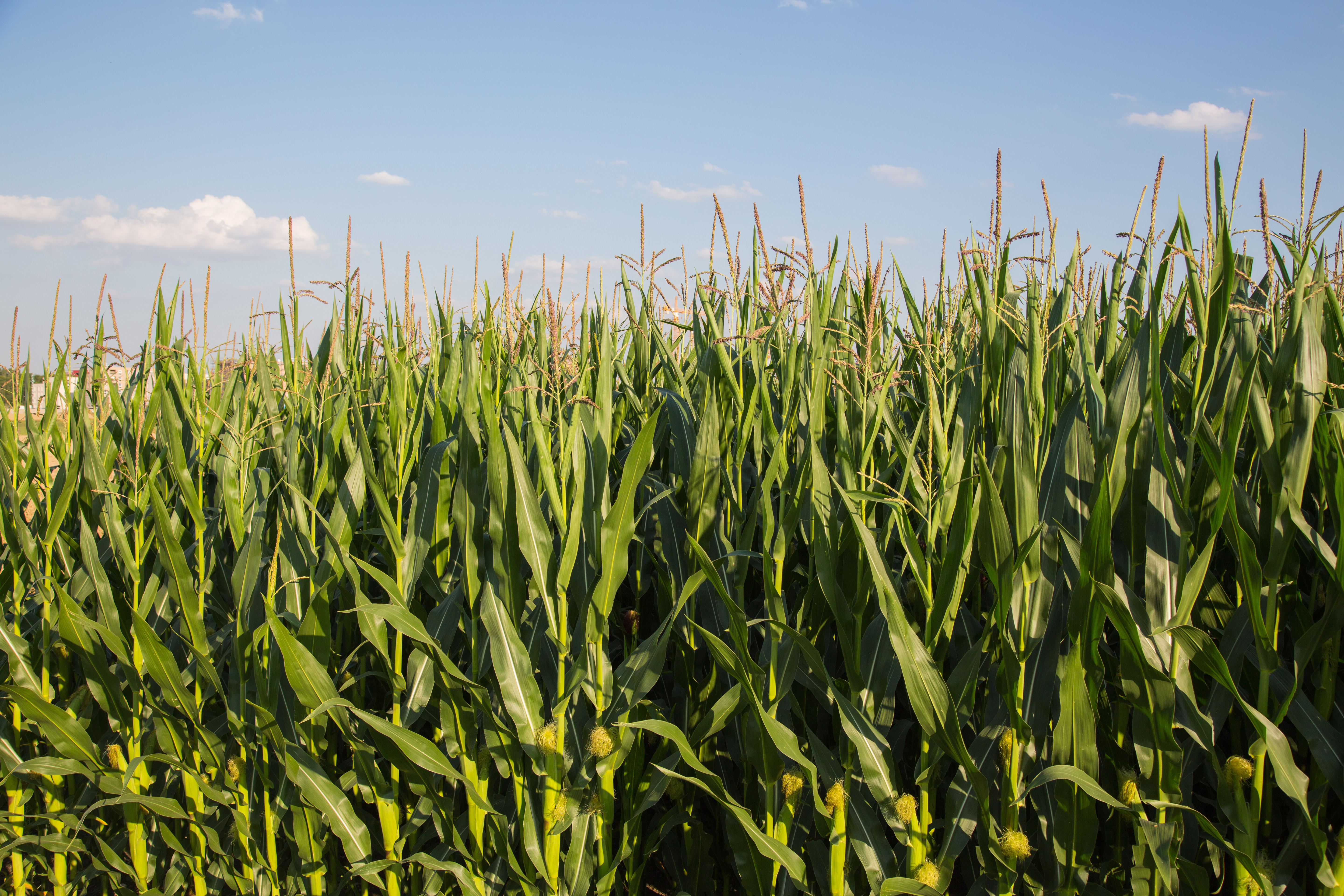
These are worthy initiatives, but in many cases the changes they bring about are incremental. To make circular packaging a reality systemic changes will be needed, of the kind that we are already seeing in raw materials, and especially in bio-based materials derived from renewable sources. Examples include compostable materials grown from fungal mycelium and agricultural waste.
A major reason why bio-based materials are so important is because of their extremely low — potentially even zero — carbon footprint. This is especially true of those derived from plants, because they absorb carbon dioxide from the atmosphere as they grow. If we use them to produce bio-based plastics for packaging, that CO2 remains captured for the length of the material’s lifecycle.
Because the longer the lifecycle is, the greater are the benefits of using bio-based content, the challenge is to extend the lifecycle, and the way to do this is by increasing the number of recycling ‘loops’ the material can withstand without losing its functional properties. Put simply, the more we expand the use of bio-based materials, the more we extract CO2 from the atmosphere and keep it captured, loop after loop.
The enabling role of chemistry

This is where chemistry comes in, as a key enabler and powerful driver of circularity. It comes into play at every step of the value chain. At the pulp mills, where chemistry keeps the machines running, reducing downtime and waste. At the paper makers, where chemistry meets the challenges of using recycled fibers. At the packaging converters, where it helps create packaging that balances sustainability with performance. Finally, at the recyclers, where it enhances fiber recovery.
To take one example of chemistry’s contribution — fiber replenishers. A few years ago, it was accepted that fibers could go through four or five loops, but today 25 or more loops are achievable — a 500% delay in the release of the CO2 into the atmosphere.
Further reading
Fiber replenishment is just one area where chemistry contributes to a more sustainable, circular packaging production model. To find out more about our Packaging solutions visit here.
More News & Stories
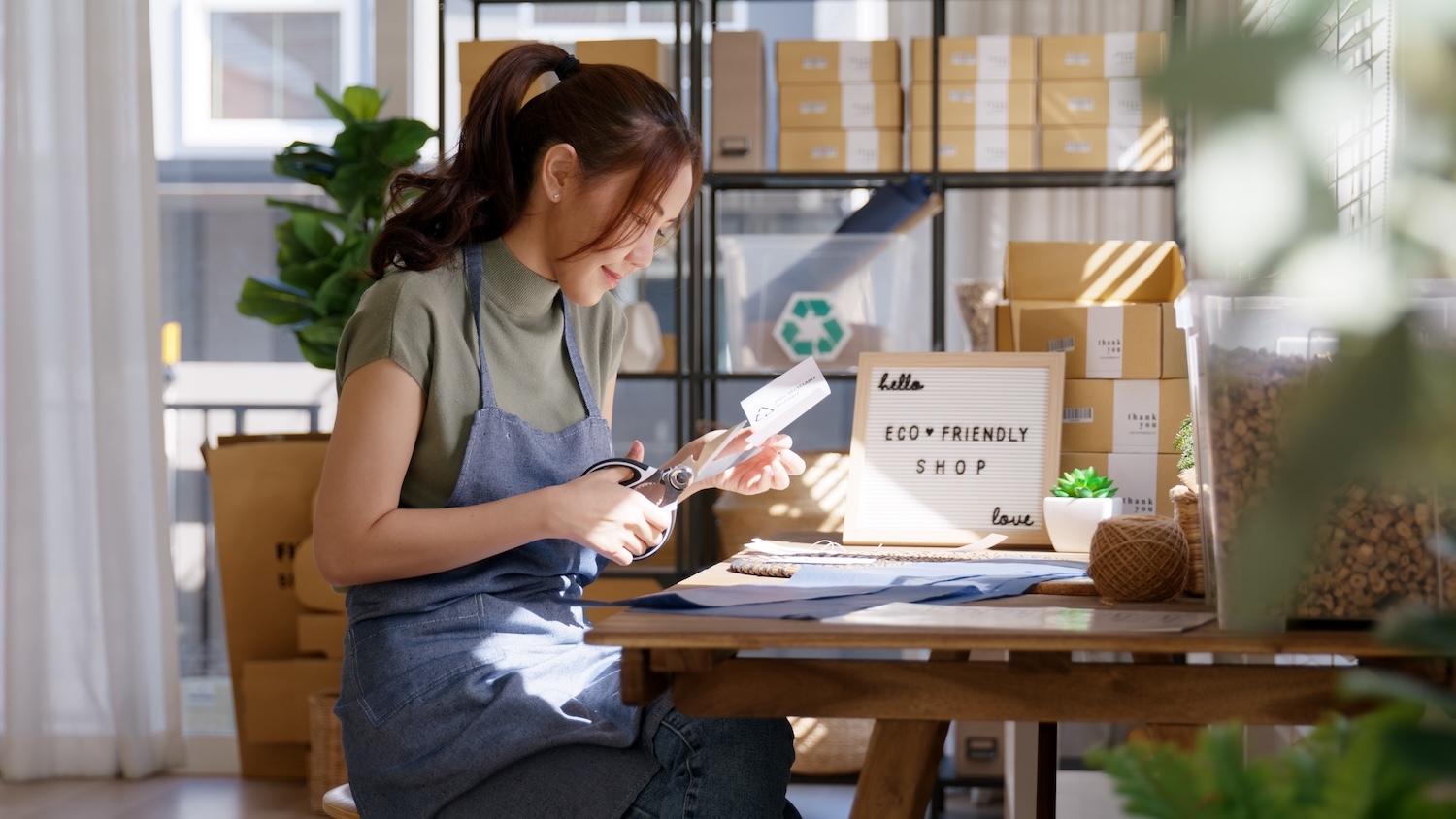
What Goes Into The Box - Chemistry's Fundamental Role in Sustainable Packaging
Without chemistry we wouldn’t have packaging at all — sustainable or otherwise. Yet, the role of chemistry in packaging is often unacknowledged, even by seasoned packaging professionals. This article explores the role of chemistry, both as an integral part of every package, and as the driving force behind true circularity in this sector.

Full Value Chain Collaboration - The Fastest Way to Sustainable Packaging
I recently asked a fellow packaging professional for their take on the industry’s progress towards sustainable packaging. The answer — “It’s rather like building a plane while you’re flying it” — succinctly captures the prevailing combination of complexity and urgency that all players in the value chain are faced with. There’s much to do in a limited time.