Technical Expertise Empowers the Shift to Fluorine-free Rain and Stain Protection
While several proven PFAS-free technologies based on various chemistries are now available, a major issue is that no single PFAS alternative is suitable for all applications. Mills cannot simply upgrade to a single PFAS-free solution across all of their product lines; each alternative has different attributes and different production and processing impacts.
“The key is to adopt a ‘fit-for-purpose’ approach,” says Georg Lang, Market Segment Director Finishing, Archroma. “This means being very clear about the specific functionality required for the intended end use and understanding how each of the different PFAS-free alternatives works in order to deliver the right results with the right production parameters.”

At a minimum, brands that want to introduce or enhance products with PFAS-free water repellence have to consider the following:
- What level of waterproofing is required? For example, does this product need to repel everyday schoolyard stains or provide protection in heavy snow?
- How breathable does this fabric need to be? Ready for skiing at a resort or trekking in the tropics?
- Could the end user frequently wash or dry clean the product?
- Will the end product be subject to tough use, where higher abrasion or chemical resistance are needed, as would be the case for protective wear?
- Will it be subject to additional performance criteria demanded by OEM’s or country-specific standards, as would be the case for a car seat or a shelter tent, where flammability is a risk factor?
- Will other finishes be required for effects like sun protection for outdoor furniture fabrics or soft handle for premium fashionwear?
- What is the cost limitation for this product?
A further complication is how the PFAS-free product behaves in production. The new DWR treatment options can have unintended consequences when used without proper technical expertise – from adhesion issues to bonding weakness, seam slippage and chalk marks. Mills will have to grapple with challenges like color fastness, shade consistency and the potential for yellowing, and, at the same time, focus on optimum fabric preparation to minimize potential negative impacts from fiber processing or dyeing-auxiliary residue.
Making the right choice means balancing performance and cost with the most appropriate chemistry, recipe and application process. And this requires extensive production experience and expert technical support, as well as deep knowledge of the whole range of PFAS-free DWR alternatives.
“With the coming together of Archroma and Huntsman Textile Effects in early 2023, Archroma now has the industry’s best technical team, backed by the most extensive portfolio of C0 DWRs,” Georg explains.
“We bring expertise in the transition to C0 DWRs to more than 100 markets worldwide. Our teams work with mills as trusted partners, bringing extensive knowledge and skill to customize solutions meet our customers’ requirements from a cost and sustainability perspective.”

One of the strengths of the Archroma DWR portfolio is its breadth. This enables brands to adopt the right chemistry for a specific textile end-use—from tents and umbrellas to ski wear and school uniforms—while also optimizing production, achieving compliance and meeting customer expectations.
- ZELAN™ R3 is one of the best-known PFAS-free* technologies. Suitable for all types of fibers, it was introduced in collaboration with The Chemours Company in 2015 as the industry’s first renewably sourced DWR: Teflon EcoElite™ with ZELAN™ R3. It contains 63% plant-based materials and offers excellent water repellency and outstanding durability while preserving breathability.
- ARKOPHOB® NTR-40 is the latest addition to Archroma’s range of biocarbon-rich water repellent systems and ideal in combination with ZELAN™ R3 or another renewably sourced DWR that needs an additive crosslinker to boost wash and/or dry-cleaning resistance. Its biocarbon content of 40% meets the latest sustainable chemistry standards of bluesign® and makes it a preferred option for international brands that base their portfolios on advanced chemistry.
- PHOBOTEX® R-ACE is a next-generation PFAS-free* water-repellent finish that meets current and upcoming industry standards with performance comparable to formulations based on PFASs. Building on more than a decade of “C0” innovation, it achieves high repellency with the lowest-ever application rate, minimizing chalk marks, seam-slippage issues and harsh handle on synthetic and cellulosic fibers. It also contains 37% bio-based carbon content.
“PHOBOTEX® R-ACE is a perfect combination of excellent water repellency and extremely high wash-durability, with outstanding home laundry performance. It is highly suited to on-trend white garments and anywhere you need textiles that are breathable and soft to the touch. It also helps mills improve productivity with best-in-class runnability for faster trouble-free production and good reproducibility,” Georg continues.
Archroma will further extend the existing PHOBOTEX® range with the launch of a new product in early 2024 that provides durable water repellent effects on all fiber types, with the excellent runnability, soft handle and minimal risk of chalk marking that characterize the PHOBOTEX® range.
“Looking ahead, Archroma will continue to invest in developing, manufacturing, marketing and supporting new DWR solutions that are safe to use, wear and release. In partnership with other industry leaders like Chemours, we will continue to seek new ways to improve the environmental footprint of our DWR products while maintaining the high level of durability and technical performance that brands and their customers expect,” Georg concludes.
* Below limits of detection according to industry standard test methods.
More News & Stories

What Goes Into The Box - Chemistry's Fundamental Role in Sustainable Packaging
Without chemistry we wouldn’t have packaging at all — sustainable or otherwise. Yet, the role of chemistry in packaging is often unacknowledged, even by seasoned packaging professionals. This article explores the role of chemistry, both as an integral part of every package, and as the driving force behind true circularity in this sector.
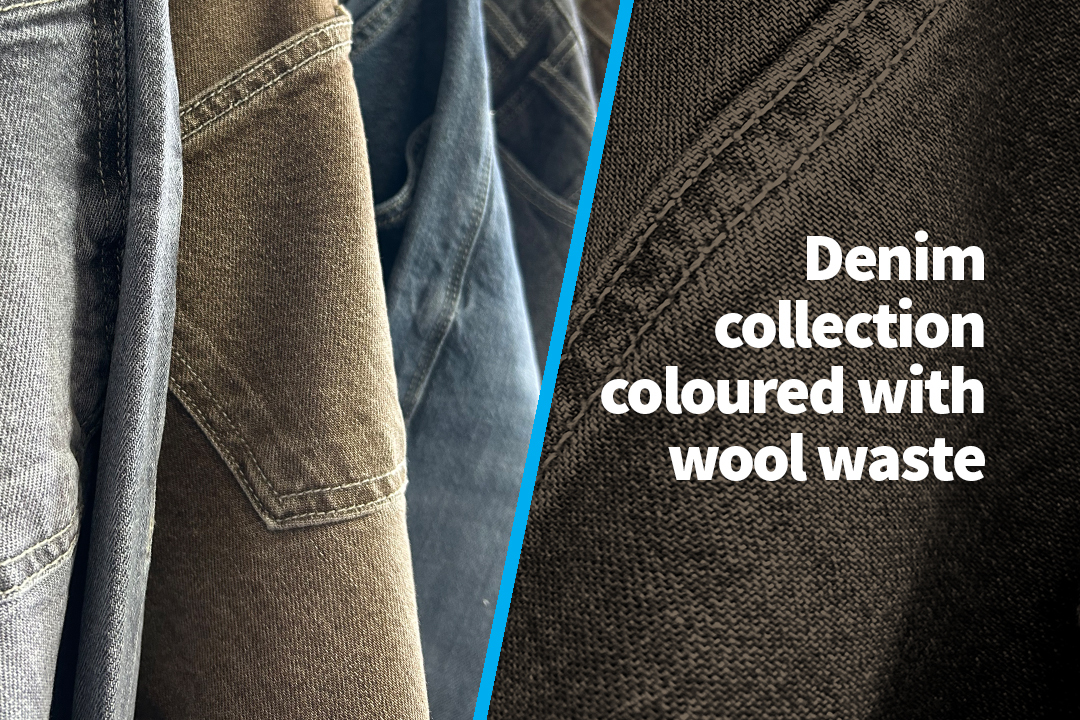
Denim collection coloured with wool waste
We spoke with World Textile Information Network (WTiN) on our collaboration with Orta Anadolu, who launched a denim collection at Kingpins Amsterdam using Archroma's FiberColors®. Hear from Archroma as we share with WTiN's editor about how we brought FiberColors® from concept to commercialization.
Circularity — The Key to More Sustainable Packaging
Waste is a human creation, often a by-product of our focus on short-term benefits in the shape of the Take/Make/Consume/Dispose ‘linear’ economy. Left to itself, Earth happily runs on completely renewable energy. There’s no waste in a rainforest, for example. It’s a naturally circular ecosystem — resources are constantly recycled and reused, outputs from one process are the inputs for another.
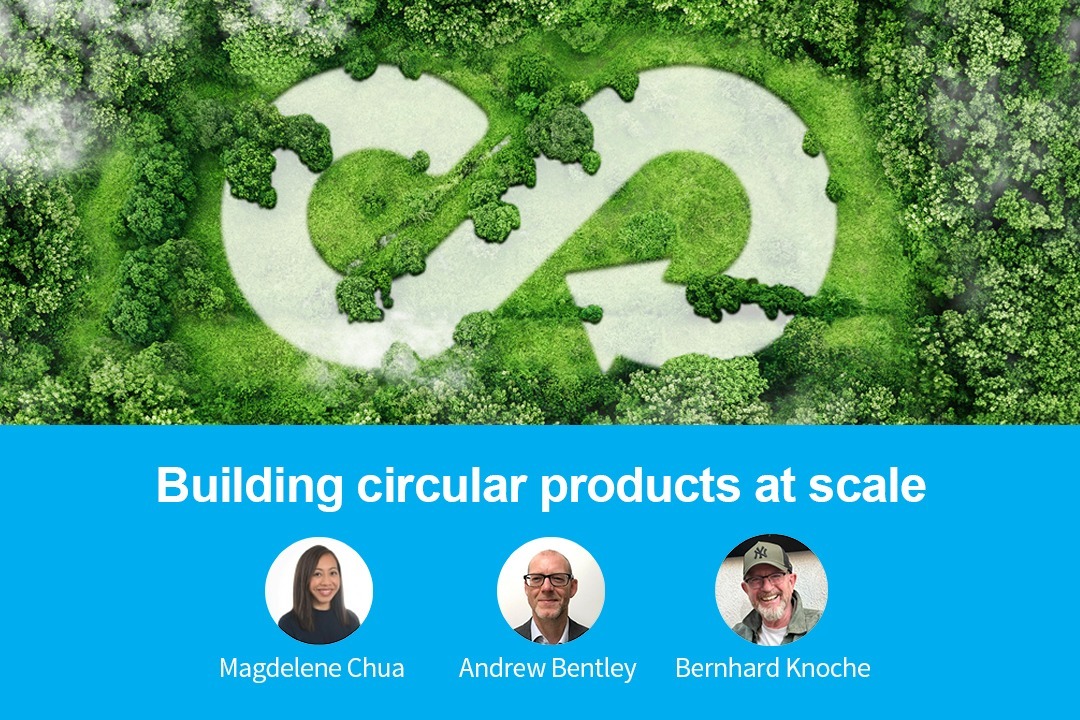
Building Circular Products at Scale
What's the path to certification? What is safe chemistry all about? How can these help customers advance their sustainability goals? Archroma colleagues Andrew Bentley and Bernard Knoche share their thoughts on these questions.