Can paper replace plastic? The straw case
Can paper straws be flexible?
The reason why straws need to be flexible is that they are used typically on the move, as well as by kids and disabled, ill or older people.
You don’t want a straw to be a hazard if the person misaims or falls.
That is not an issue with paper straws. The very facts that they are made of paper and get softer when in contact with liquids make them an ideal material for such users.
Can paper straws be light?
Paper straws are extremely light and are therefore a great substitute to plastic ones. This gives them the same advantages as plastic straws when we consider the transport footprint and the storage and manipulation by staff in F&B outlets.
Can paper straws be safe for the user?
One question that may arise is the safety of the straw ingredients, in particular the colors and treatments used to seal the paper against water.
All ingredients used in a production of a paper straw comply with food contact requirements.
That is why we love paper straws at Archroma – they are such a perfect illustration of “The Archroma Way to a Sustainable World: Safe, efficient, enhanced, it’s our nature”.
SAFE
Paper straws are safe for humans - and turtles! especially when made with the right ingredients by Archroma.
EFFICIENT
Paper straws are efficient; they last just as long as they need to.

ENHANCED
Paper straws are made of a beautiful natural material, they can be colorful and trendy, and they are so much more sustainable as plastic ones!

More News & Stories
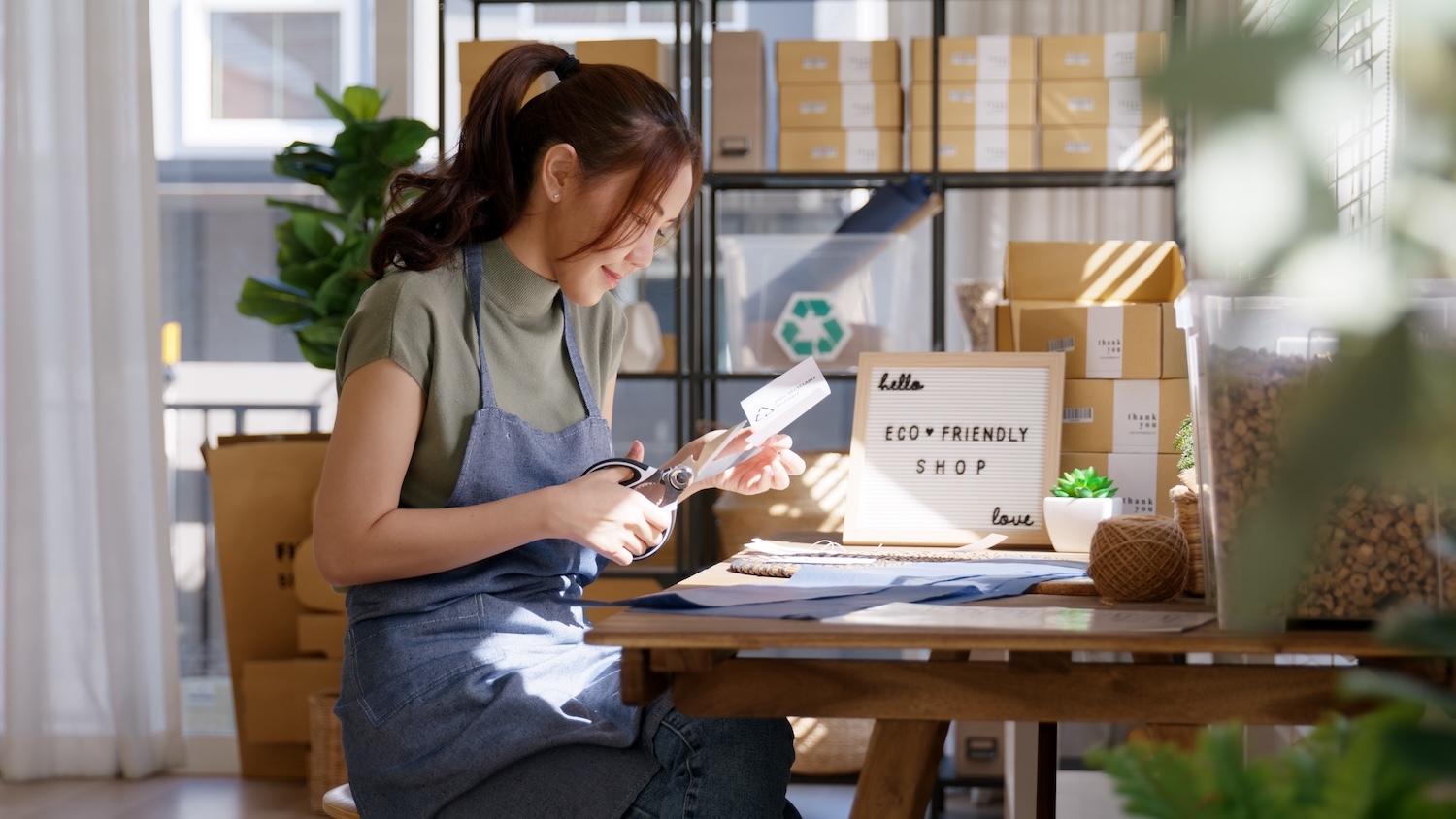
What Goes Into The Box - Chemistry's Fundamental Role in Sustainable Packaging
Without chemistry we wouldn’t have packaging at all — sustainable or otherwise. Yet, the role of chemistry in packaging is often unacknowledged, even by seasoned packaging professionals. This article explores the role of chemistry, both as an integral part of every package, and as the driving force behind true circularity in this sector.
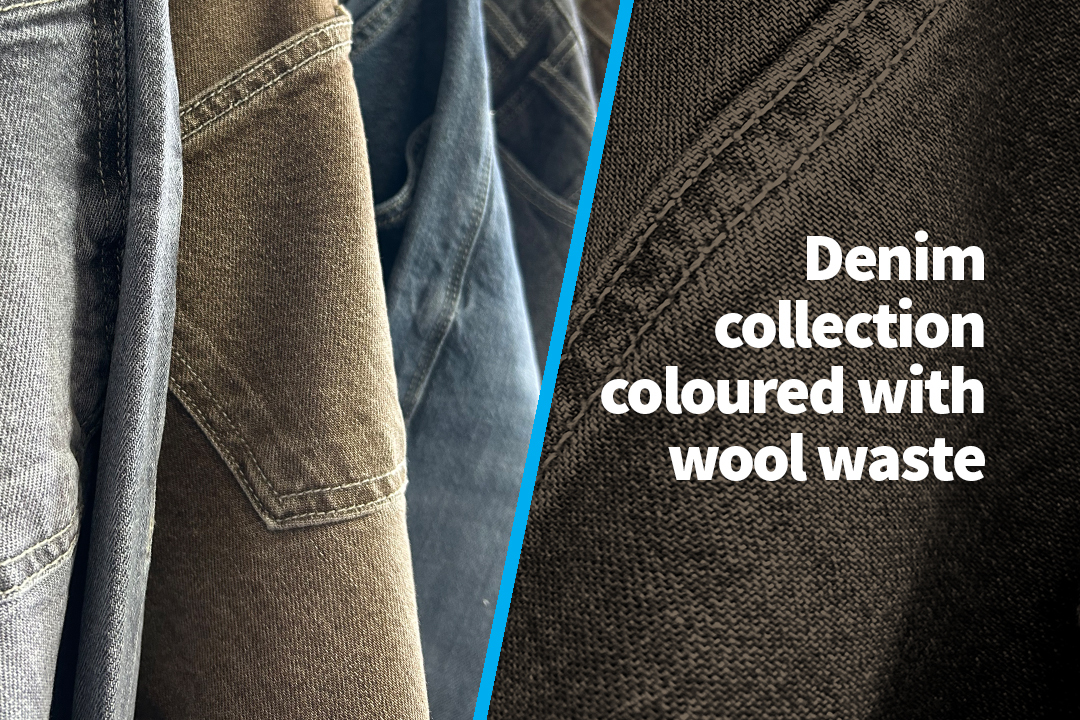
Denim collection coloured with wool waste
We spoke with World Textile Information Network (WTiN) on our collaboration with Orta Anadolu, who launched a denim collection at Kingpins Amsterdam using Archroma's FiberColors®. Hear from Archroma as we share with WTiN's editor about how we brought FiberColors® from concept to commercialization.
Circularity — The Key to More Sustainable Packaging
Waste is a human creation, often a by-product of our focus on short-term benefits in the shape of the Take/Make/Consume/Dispose ‘linear’ economy. Left to itself, Earth happily runs on completely renewable energy. There’s no waste in a rainforest, for example. It’s a naturally circular ecosystem — resources are constantly recycled and reused, outputs from one process are the inputs for another.
Building Circular Products at Scale
What's the path to certification? What is safe chemistry all about? How can these help customers advance their sustainability goals? Archroma colleagues Andrew Bentley and Bernard Knoche share their thoughts on these questions.