Does Your Mask Have You Covered?
A shift in habits
With the COVID-19 coronavirus outbreak, the global way we live has drastically changed, and the virus brought awareness of how important personal protective items are when being exposed to diseases and infection risks. Masks, which were worn so far primarily in Asian communities, are now visible everywhere around the globe as people are realizing that they are an essential tool to protect others and themselves against the spread of viruses.
In this context, many traditional textile manufacturers are looking for ways to help and willing to temporarily switch their production to reusable textile masks, as the standard nonwoven materials are in extremely short supply due to the unexpected hike in demand. Chemical technology leaders, such as Archroma, support the related developments of new materials by providing application development guidance on how to enhance the performance of the mask and provide better protection and more comfort for the user, and with prioritized allocation of stocks.
The face masks already established for medical, chemical or construction related end-uses, such as mouth-and-nose protective masks, usually have to comply to certified testing, where standards are in place which define strict test regimes. Exemplary standards, such as DIN EN 14683 or DIN EN 149 in Europe, ASTM F2100 in the US and GB/T 32610 in CHN, therefore determine filtration rates for bacteria respectively for aerosol-based contaminants. The masks used here are usually based on triple-layer nonwoven material, where very fine fibers provide filtration rates beyond 95% for bacteria, or up to 99% for fine dust particles.
The Right Mask for the Right Protection
However, these performance criteria are neither mandatory nor clearly defined for private use masks.
Common materials used for non-medical purpose consist of 1 to 3 layers fabric.
Enhancing Your Mask
To improve the protection level of these reusable textile masks, it is advisable to apply surface energy reduction to minimize the adherence of sneezes and droplets, as well as an antibacterial finish to reduce the growth of bacteria. This is where chemistry, such as Archroma's repellent Nuva® N technology, which offers maximum surface energy reduction, is wash resistant at the recommended 70°C (158°F), and also compatible with antibacterial finishes such as Sanitized®, comes to help.
Since the applied chemistries are designed to work against external factors, direct skin contact should be avoided, which is the reason why these modifications usually can be found in the middle and outer layer of high quality masks. The hydrophobic outer layer repels sneezes and cough contaminated droplets, and does not allow adherence and easy penetration through the mask. The antibacterial middle layer protects from the vapor deposited contaminants from our breath, and the use of highly effective non-particulate systems keeps airflow properties at optimum level.
Therefore, when we think of using a protective mask, the better choice should be using an enhanced textile mask rather than a basic one.
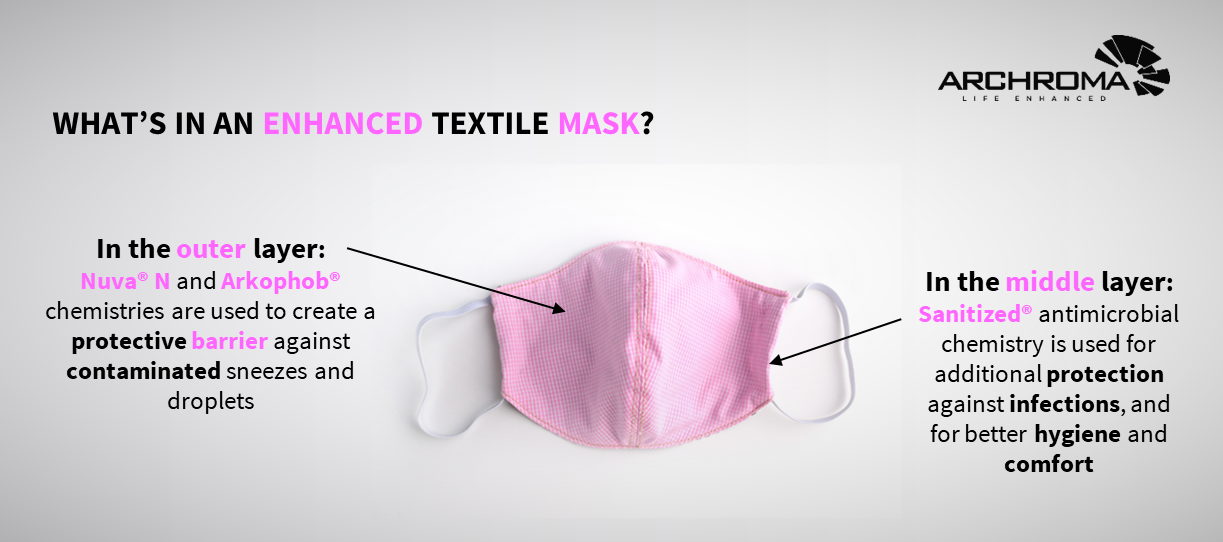
Archroma's latest-generation Nuva® N comprises high purity repellents that help to create a barrier effect when used in masks, as they enable polypropylene or polyester fibers already at the lowest dosages to become highly hydrophobic. In addition, they also modify cotton or cellulosic fibers to repel water or lipophilic pathogens. And the antibacterial additives provided from our longtime technology partner Sanitized, a global leader in hygiene protection headquartered in Switzerland, meet the highest standards for professional health care but also provide reliable protection for consumer goods.
Go to responsible and expert chemistry suppliers, such as Archroma and Sanitized, to secure higher protection levels.
It's our nature, after all.
Thomas Seeger
Thomas Seeger is Global Business Development Project Manager, Finishing, for Archroma's Brand & Performance Textile Specialties Business. He is operating from Archroma's Shanghai office In China.
Michael Schuhmann
Michael Schuhmann is Global Business Development Manager, Finishing, for Archroma's Brand & Performance Textile Specialties Business. He is based in Archroma's head office in Reinach, Switzerland.
More News & Stories

What Goes Into The Box - Chemistry's Fundamental Role in Sustainable Packaging
Without chemistry we wouldn’t have packaging at all — sustainable or otherwise. Yet, the role of chemistry in packaging is often unacknowledged, even by seasoned packaging professionals. This article explores the role of chemistry, both as an integral part of every package, and as the driving force behind true circularity in this sector.
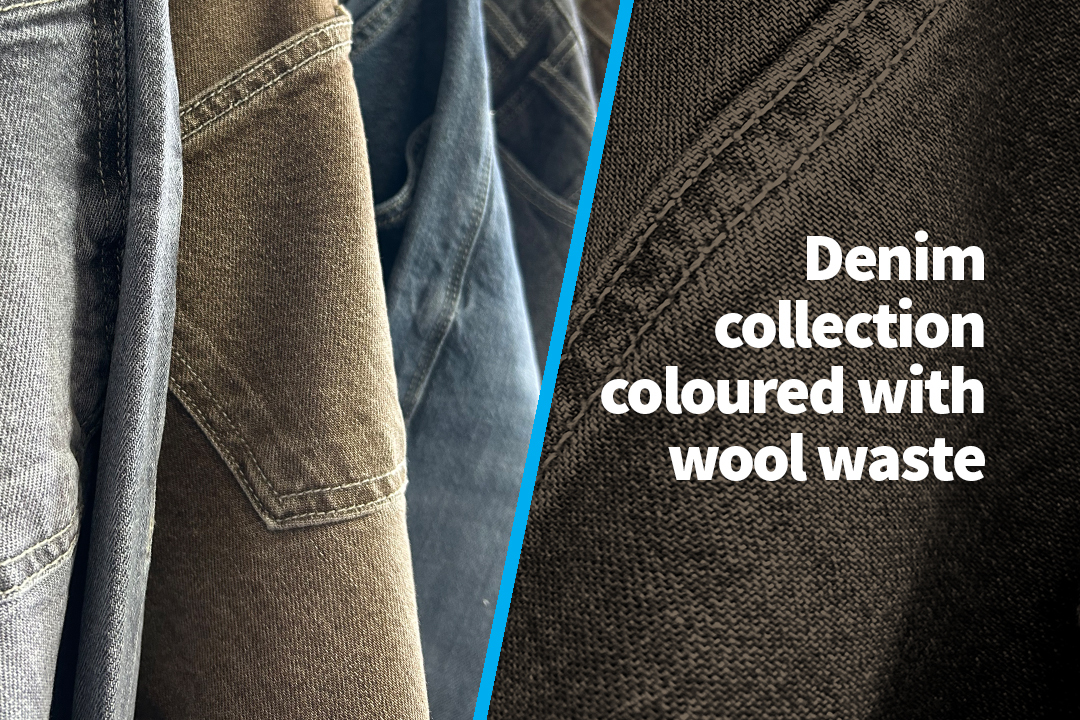
Denim collection coloured with wool waste
We spoke with World Textile Information Network (WTiN) on our collaboration with Orta Anadolu, who launched a denim collection at Kingpins Amsterdam using Archroma's FiberColors®. Hear from Archroma as we share with WTiN's editor about how we brought FiberColors® from concept to commercialization.

Circularity — The Key to More Sustainable Packaging
Waste is a human creation, often a by-product of our focus on short-term benefits in the shape of the Take/Make/Consume/Dispose ‘linear’ economy. Left to itself, Earth happily runs on completely renewable energy. There’s no waste in a rainforest, for example. It’s a naturally circular ecosystem — resources are constantly recycled and reused, outputs from one process are the inputs for another.
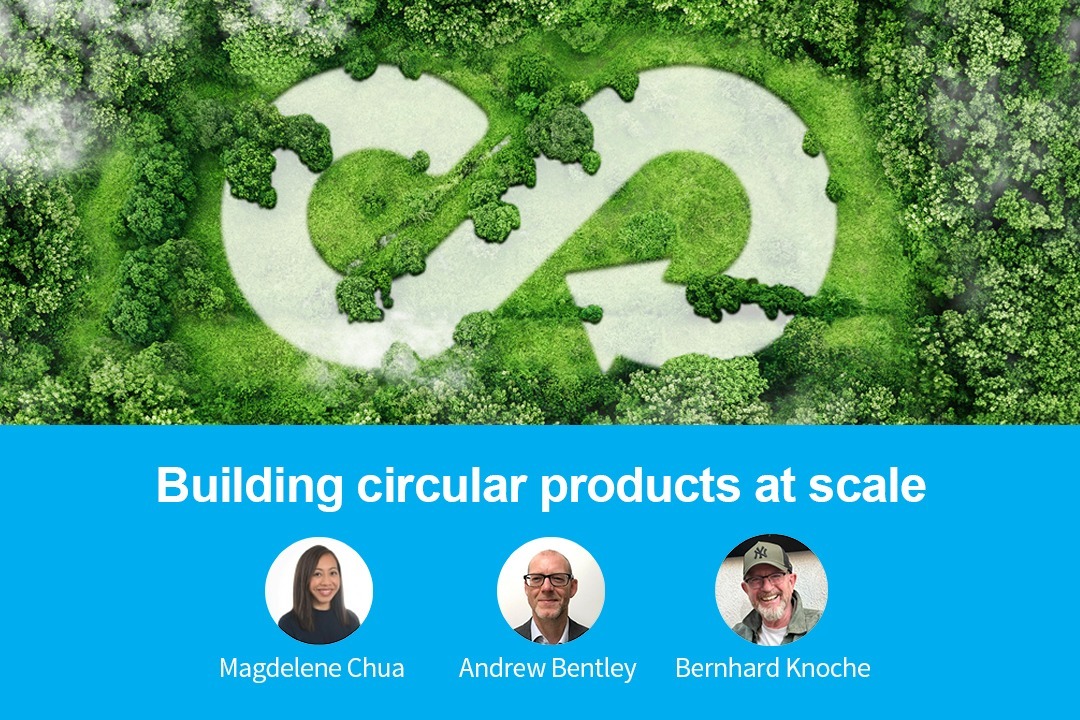
Building Circular Products at Scale
What's the path to certification? What is safe chemistry all about? How can these help customers advance their sustainability goals? Archroma colleagues Andrew Bentley and Bernard Knoche share their thoughts on these questions.