Enhance Your Sleep Quality: Discover the Importance of Good Bedding
With May marking Better Sleep Month, people are reminded to consider how well their sleep environment supports a good night’s sleep. More people today appreciate that bedding is an important part of healthy sleep habits, and more are recognizing the benefits of premium high-performance bedding.
What factors influence the performance of bed linens?
Sheets, pillowcases and duvet covers that are soft to the touch enhance a feeling of comfort and luxury. When they are made of fabrics that breathe well, like cotton, they can help prevent overheating.
Long-lasting color is always vital. Classic clean white bedding that won’t yellow with age is always in style. There is also a trend towards relaxing natural earthy colors, such as terracotta, olive green and mustard yellow, and neutrals like grey, sand or beige with a pop of color. Whatever the color palette, bedding should be able to withstand frequent washing in hot water to remove allergens, such as dust mites, without fading or pilling.
Consumer convenience is also a priority amid today’s busy lifestyles. People favor bed linens that are crisp and fresh out of the washing machine – with no ironing required – and that stay fresh smelling for longer.
Furthermore, the modern consumer wants this daily luxury to be safe and eco-friendly.
Archroma offers tailor-made solutions for the efficient and sustainable production of high-performance bed linens for different production processes and markets. Drawing on an advanced and comprehensive product portfolio, we can provide a complete solution, from pre-treatment to coloration to finishing.
Key solutions for brand owners and textile mills producing high-value bedding for use at home or in hospitality settings include:
- Imerol® BLUE Magic: A sustainable pretreatment process that provides detergency, stabilizing and sequestering performance in combination with bleach activation in a single formulation. With no separate rinsing required, it saves water, time and energy while delivering more uniform dyeing and brighter whites and preserving the fabric handle for soft comfort.
- UVITEX®BHA: A unique fluorescent whitening technology that offers unequalled acid stability and acid fastness and excellent protection against phenolic yellowing during storage or shipment. It is eco-friendly and safe, with high exhaustion rates and aniline-free chemistry.
- AVITERA® SE: A breakthrough dye range known for delivering intense long-lasting colors that extend from the palest to the deepest, darkest shades. These dyes deliver high wash-fastness, high light-fastness and high chlorine resistance, as well as unrivalled environmental savings. With high-speed, low-temperature wash off, water and energy savings of up to 50% are possible, along with higher productivity due to faster processing.
- SUPER SONIC: A continuous application process for dyeing polycotton blends with outstanding performance and cost savings as well as market-leading sustainability. It can use TERASIL® W/WW disperse dyes for deep and very deep shades and outstanding wash-fastness or NOVACRON® EC/S reactive dyes for exceptional right-first-time results and the most stringent fastness requirements.
- STAMP IT SAFE: A formaldehyde-free* printing system for soft fabrics that significantly reduces water and energy consumption, carbon footprint and wastewater impact. STAMP IT SAFE delivers a fastness and hand-feel that is similar to reactive prints, with an easy-to-handle print paste with long storage stability.
- COOL PRINT: A formaldehyde-free* printing system for premium fabric quality with energy and chemical savings and a reduced carbon footprint. It delivers soft prints with good fastness properties and durability. COOL PRINT also offers excellent running properties for outstanding productivity in bed linens production.
- Siligen® EH1: A non-ionic hydrophilic silicone softener that delivers a super soft, smooth and voluminous hand feel and shows excellent hydrophilic and moisture transportation properties for bedding that is cozy and breathable. This vegan product has 35% plant-based active content. It can be used on white articles and those treated with optical brighteners as it doesn’t cause thermomigration or phenolic yellowing.
- Arkofix NZW: A formaldehyde-free crosslinker for easy-care and non-iron finishes. It is ideal for achieving a maximum non-ironing effect on bed linens with high whiteness and a minimized loss of tear strength.
Archroma is dedicated to leading the home textiles sector to a more sustainable future. With tailor-made system solutions that are safe, efficient and enhanced, we help the industry reduce its environmental footprint while delivering value for textile mills, brand owners and consumers seeking a good night’s sleep.
* Below limits of detection according to industry standard test methods. Not intentionally added.
More News & Stories

What Goes Into The Box - Chemistry's Fundamental Role in Sustainable Packaging
Without chemistry we wouldn’t have packaging at all — sustainable or otherwise. Yet, the role of chemistry in packaging is often unacknowledged, even by seasoned packaging professionals. This article explores the role of chemistry, both as an integral part of every package, and as the driving force behind true circularity in this sector.
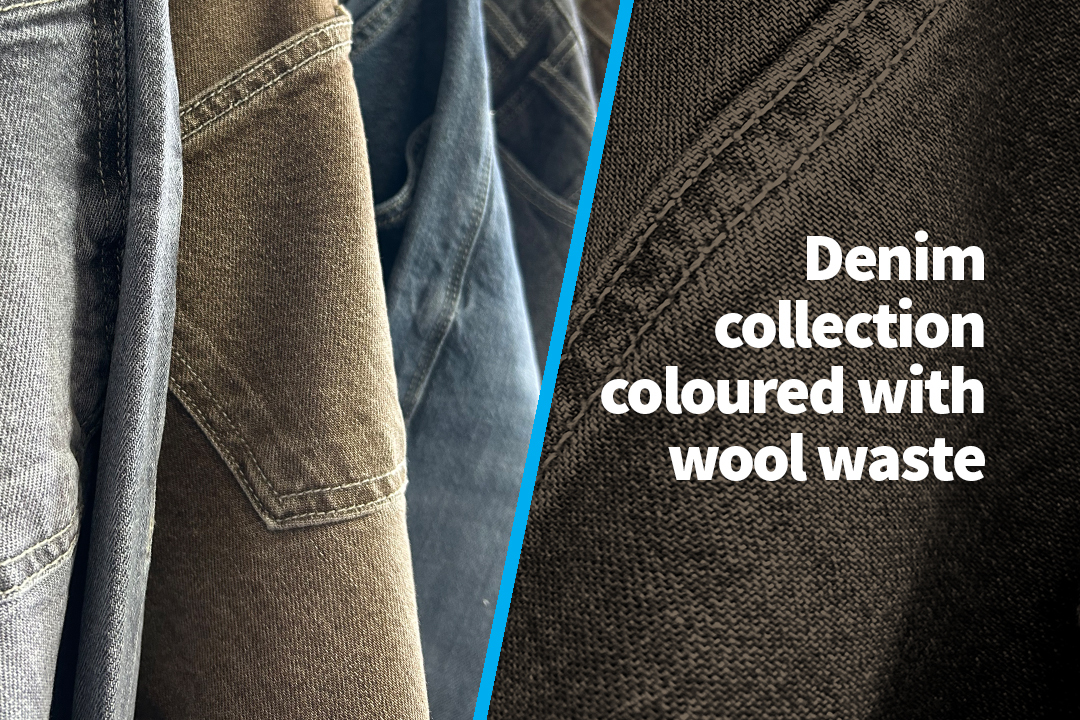
Denim collection coloured with wool waste
We spoke with World Textile Information Network (WTiN) on our collaboration with Orta Anadolu, who launched a denim collection at Kingpins Amsterdam using Archroma's FiberColors®. Hear from Archroma as we share with WTiN's editor about how we brought FiberColors® from concept to commercialization.
Circularity — The Key to More Sustainable Packaging
Waste is a human creation, often a by-product of our focus on short-term benefits in the shape of the Take/Make/Consume/Dispose ‘linear’ economy. Left to itself, Earth happily runs on completely renewable energy. There’s no waste in a rainforest, for example. It’s a naturally circular ecosystem — resources are constantly recycled and reused, outputs from one process are the inputs for another.
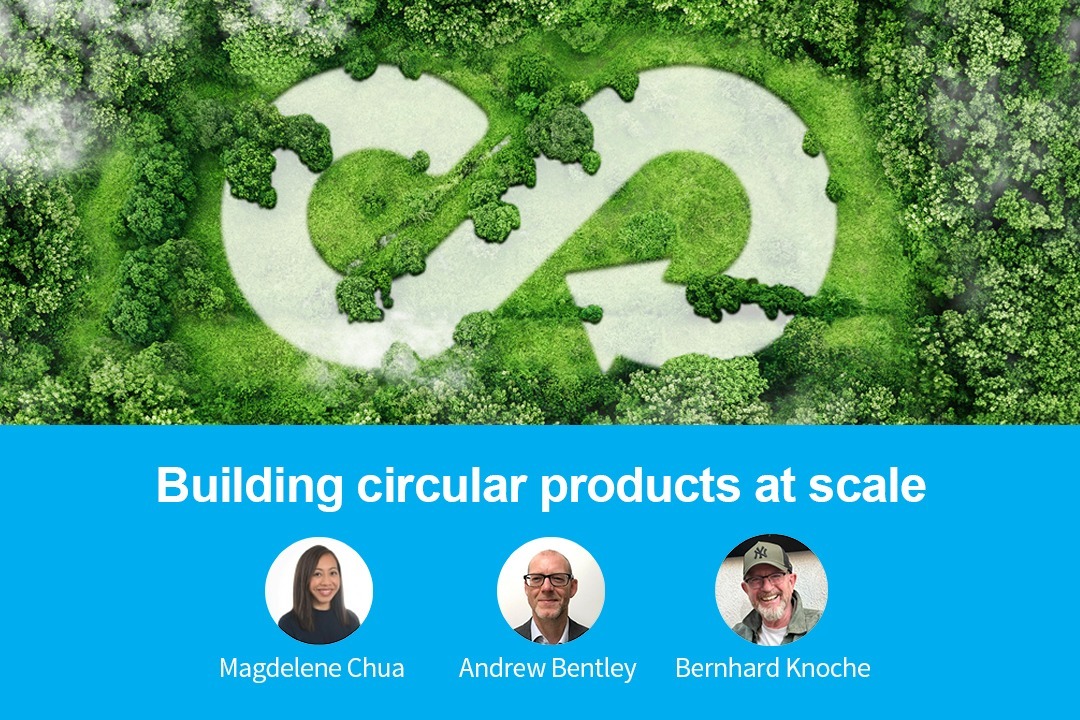
Building Circular Products at Scale
What's the path to certification? What is safe chemistry all about? How can these help customers advance their sustainability goals? Archroma colleagues Andrew Bentley and Bernard Knoche share their thoughts on these questions.